
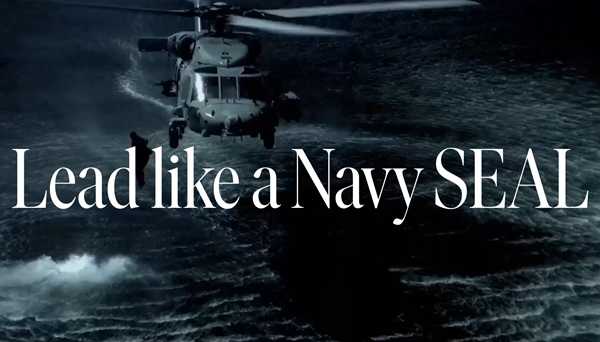
[Group Buy] Masterclass – Leadership and Decision-Making Under Pressure
$55.00
- Delivery: You Will Receive A Receipt With Download Link Through Email.
- If you need more proof ofcourse, feel free to chat with me!

Description
How many navy seals are there – Elite Force’s Impact on Leadership and Resilience
Understanding the operational scale and profound influence of the U.S. Navy SEALs begins with the fundamental question: how many navy seals are there? This elite special operations force, renowned for its rigorous training and unparalleled capabilities in maritime, land, and air environments, comprises a relatively small, highly specialized contingent within the broader U.S. military. Their numerical strength, though modest, belies their significant strategic impact globally and their growing influence on leadership principles far beyond the battlefield.
Overview of the Navy SEALs: How Many Are There?
The mystique surrounding the U.S. Navy SEALs, an acronym for Sea, Air, and Land, is perhaps only rivaled by the intense curiosity regarding their numbers. This elite fighting force represents the pinnacle of special operations, characterized by an unmatched blend of physical prowess, mental fortitude, and tactical ingenuity. While often perceived as an inexhaustible reservoir of America’s toughest warriors, the reality is that the SEAL community is intentionally kept small, highly selective, and intensely trained, ensuring every operator meets the absolute highest standards of readiness and effectiveness across the spectrum of modern warfare. Their comparatively limited total count underscores the immense value placed on each individual operator and the collective synergy of a unit forged in the crucible of unparalleled selection.
Number of Active Navy SEALs and Their Distribution
The exact public figures regarding the precise number of active U.S. Navy SEALs often vary slightly due to operational security and the dynamic nature of military demographics. However, it is generally understoodthat the number of active Navy SEALs hovers around 2,500 to 3,000 personnel. This figure includes those stationed at various SEAL teams and support units across the country and overseas. The distribution of these elite operators is strategic; they are often placed in areas where their unique capabilities can be leveraged effectively. Each of the eight SEAL teams spreads across different geographic locations ensures a global reach, allowing for rapid response and specialized operations as needed.
Additionally, the Navy SEALs maintain a network of reserves and support personnel that further enhance their operational capabilities. The balance of active duty and reserve forces allows the SEALs not only to respond to immediate threats but also to engage in long-term strategic planning and training exercises. This diverse distribution enables the SEALs to execute missions ranging from counter-terrorism to reconnaissance, demonstrating the flexibility and adaptability that characterize their operational ethos.
Recruitment, Training, and Selection Processes
The recruitment process for Navy SEALs is both rigorous and competitive, attracting individuals from various backgrounds. Candidates must meet stringent physical and mental requirements, including passing the Physical Screening Test (PST) before they even enter the formal selection pipeline. Once selected, candidates undergo Basic Underwater Demolition/SEAL (BUD/S) training, which is infamous for its grueling nature, designed to weed out those who do not possess the resilience needed for the demands of SEAL operations. BUD/S consists of intense physical challenges, sleep deprivation, and testing under extreme conditions, culminating in Hell Week—a grueling five-day test of endurance and teamwork.

After successfully completing BUD/S, candidates move on to SEAL Qualification Training (SQT), where they acquire specialized skills such as close-quarters combat, diving techniques, and survival tactics. The relentless nature of this training fosters camaraderie among the trainees, emphasizing the importance of trust and teamwork—core tenets of SEAL philosophy. This comprehensive approach ensures that every Navy SEAL is not just physically capable, but mentally prepared to lead and adapt in high-stress environments.
Demographics and Diversity Within the Force
The U.S. Navy SEALs have made concerted efforts to enhance diversity within their ranks, recognizing that a variety of perspectives can strengthen decision-making and operational effectiveness. While the demographic makeup has traditionally leaned male and predominantly white, initiatives to recruit individuals from different backgrounds have been progressively implemented. Current statistics show a gradual increase in representation for ethnic minorities and women, reflecting broader societal changes and acknowledging the need for a more inclusive force.
Diversity within the SEALs not only brings varied perspectives but also enhances the team’s ability to operate in complex social environments worldwide. This multifaceted representation helps SEALs understand and navigate cultural nuances during missions, ultimately contributing to mission success. As the Navy continues to emphasize inclusivity, the SEALs are likely to evolve into an even more capable and adaptable force, ensuring they remain at the forefront of modern military operations.
Key Figures and Personalities in Navy SEAL History
Throughout its storied history, the Navy SEALs have produced remarkable leaders whose legacies continue to inspire new generations of operators. These figures embody the principles of valor, sacrifice, and determination that define the SEAL brotherhood. Their stories not only highlight individual bravery but also illuminate the collective spirit of the SEAL community, showcasing the profound impact that dedicated service can have on personal and national levels.
Among these influential personalities, Britt Slabinski stands out for his extraordinary leadership and bravery. His actions during Operation Anaconda exemplified the courage and tactical acumen expected of a SEAL operator. Similarly, Chris Cassidy, known for his dual career as a Navy SEAL and astronaut, embodies the versatility and excellence inherent in SEAL culture. Each of these figures contributes to the rich tapestry of Navy SEAL history, influencing leadership beyond military confines and into civilian spheres.
Britt Slabinski: Valor and Leadership
Britt Slabinski is celebrated as a paragon of leadership and valor within the Navy SEAL community. His distinguished service during Operation Anaconda in Afghanistan earned him the Medal of Honor, highlighting his courage under fire and commitment to the mission and his team. Slabinski’s experiences reflect the core values upheld by the SEALs: honor, courage, and commitment.
Beyond his heroics, Slabinski’s leadership style emphasizes the importance of mentorship and fostering resilience among younger SEALs. He actively engages in sharing his experiences, illustrating how effective leadership can manifest through humility and collaboration. His legacy serves as a guiding light for current and future operators, demonstrating the profound effects of strong leadership on mission success and team cohesion.
Chris Cassidy: From Navy SEAL to Astronaut
Chris Cassidy’s journey from Navy SEAL to astronaut epitomizes the breadth of opportunity available to those who serve in elite military roles. After a successful career in the SEAL teams, where he participated in numerous high-profile missions, Cassidy transitioned to NASA, becoming a testament to how military training can prepare individuals for various challenging environments.
Cassidy’s unique background enriches the space program, as he applies lessons learned in high-stakes situations to scientific exploration. His story illustrates that the skills honed in special operations—problem-solving, teamwork, and resilience—are universally applicable, inspiring many to pursue pathways that merge military service with other fields of expertise.
Command Master Chief of the Navy: Roles and Responsibilities
The role of the Command Master Chief of the Navy is crucial for maintaining morale, discipline, and operational readiness across the fleet. Serving as a senior enlisted advisor, the Command Master Chief provides essential guidance to leadership while advocating for enlisted personnel’s interests and welfare. This position requires not only extensive naval experience but also exceptional interpersonal skills and the ability to communicate effectively across all ranks.
Furthermore, the Command Master Chief plays a significant role in shaping the Navy’s culture, fostering an environment of respect and professionalism. By mentoring junior sailors and promoting initiatives aimed at improving quality of life and career development, the Command Master Chief helps ensure that the values of integrity, accountability, and excellence are instilled throughout the Navy.
What Do Navy SEALs Do?
The question of what do Navy SEALs do encompasses a wide variety of missions and operational environments. Renowned for their versatility, SEALs conduct various tasks, including direct action raids, reconnaissance missions, counter-terrorism operations, and unconventional warfare. Their skill set allows them to operate seamlessly in any environment, whether on land, at sea, or in the air.
In their pursuit of mission objectives, Navy SEALs leverage advanced technology and specialized equipment, ranging from state-of-the-art weaponry to sophisticated surveillance systems. Their ability to adapt to rapidly changing circumstances and utilize innovative tactics makes them one of the most formidable fighting forces in existence.
Mission Types and Operational Environments
Navy SEALs are involved in a myriad of mission types, each tailored to specific operational goals and environmental contexts. Direct action missions often entail executing precise strikes against high-value targets, requiring stealth and impeccable timing. In contrast, reconnaissance missions emphasize gathering intelligence in hostile territories, allowing military planners to make informed decisions based on real-time information.
Their operational environments are equally diverse, spanning deserts, urban landscapes, jungles, and maritime settings. This adaptability is a hallmark of SEAL training, enabling operators to thrive regardless of the terrain or conditions. Such versatility ensures that the Navy SEALs can engage effectively in a range of scenarios, from counter-terrorism efforts to humanitarian assistance missions.
Specialized Skills and Equipment
The expansive range of specialized skills possessed by Navy SEALs sets them apart from conventional military forces. These operators are trained in various disciplines, including hand-to-hand combat, demolitions, medical procedures, and advanced navigation techniques. Each skill is honed through rigorous practice and realistic training simulations, preparing SEALs for real-world challenges they may face during missions.
Complementing their skills is an array of advanced equipment designed to enhance their effectiveness in the field. This includes cutting-edge firearms, night vision devices, underwater breathing apparatuses, and tactical communication gear. Such tools empower the Navy SEALs to execute complex maneuvers and maintain operational superiority in dynamic environments, solidifying their reputation as elite warriors.
Notable Missions and Achievements
Throughout their history, Navy SEALs have executed numerous notable missions that have had far-reaching implications on national security and global stability. One such mission was the operation to eliminate Osama bin Laden in 2011, a pivotal moment in the War on Terror that underscored the prowess and capability of SEAL Team Six. This meticulous operation exemplified the extensive planning, coordination, and execution required for successful high-stakes missions.
Another significant achievement of the SEALs includes their contributions to humanitarian assistance and disaster relief efforts. Following natural disasters like Hurricane Katrina, SEALs have showcased their versatility beyond combat roles, engaging in rescue operations and providing critical support to affected communities. This duality reflects the broader impact of Navy SEALs, demonstrating that their training equips them for both combat and compassionate missions.
Leadership Development and Training Programs
Effective leadership is paramount within the Navy SEALs, driving their success in high-pressure environments. A variety of programs exist to cultivate the next generation of leaders, ensuring that operators are well-equipped to guide their teams through adversity. These initiatives focus on enhancing communication, decision-making skills, and overall leadership acumen.
One flagship program, the Master Leader Course, is specifically designed to develop advanced leadership competencies among seasoned SEAL members. This course emphasizes practical applications of leadership theories, allowing participants to translate concepts into actionable strategies within their teams. Through interactive learning experiences, attendees engage in scenarios that challenge them to think critically and adaptively, preparing them for the complexities of operational leadership.
Master Leader Course: Objectives and Content
The Master Leader Course aims to equip Navy SEALs with the skills necessary to lead effectively in diverse and unpredictable environments. The curriculum emphasizes strategic thinking, ethical decision-making, and conflict resolution, fostering a holistic view of leadership that transcends tactical knowledge. Participants engage in discussions and simulations that challenge them to navigate real-world dilemmas, reinforcing their ability to lead with confidence amidst uncertainty.
Moreover, the course encourages self-reflection and peer feedback, fostering a culture of continuous improvement. By identifying personal strengths and areas for growth, SEALs emerge from the Master Leader Course with a renewed understanding of their leadership styles and an enhanced capacity to inspire and motivate their teams.
Leadership Communication Training: Building Effective Teams
An essential aspect of leadership development within the Navy SEALs is leadership communication training, which focuses on building effective teams through clear and concise dialogue. Successful communication is vital in high-stakes environments where misunderstandings can lead to dire consequences. This training equips SEALs with the skills needed to articulate their thoughts and directives confidently, ensuring clarity and alignment among team members.
Effective communication encompasses not only conveying information but also active listening and empathetic engagement. By honing these skills, Navy SEALs can foster trust and cohesion within their teams, cultivating an environment where collaboration thrives. This emphasis on communication creates resilient teams that can navigate challenges with agility and effectiveness.
Recognition Plaque Wording and Its Significance
Within the Navy SEAL community, recognition plaques hold immense significance, serving as tangible symbols of accomplishment and dedication. The recognition plaque wording often encapsulates the values and achievements of individual operators, commemorating their service and contributions to the mission. These plaques serve as reminders of the sacrifices made and the bonds formed throughout one’s career.
The thoughtful wording on these plaques reflects the spirit of the SEAL ethos, blending pride with humility. They not only recognize individual excellence but also underscore the importance of teamwork and shared sacrifice, reinforcing the notion that the success of one is inherently tied to the success of the unit. In this way, recognition plaques become cherished artifacts that symbolize the enduring legacy of Navy SEALs.
Gap Sealer Top of Foundation: Purpose and Application
The gap sealer top of foundation is a concept often discussed in leadership training and development contexts within the Navy SEALs. This metaphorical framework highlights the importance of addressing gaps in knowledge, skills, and resources to optimize team performance. By identifying and sealing these gaps, leaders can create a more cohesive and efficient team capable of achieving mission objectives.
In practical application, the gap sealer approach encourages leaders to assess their team’s strengths and weaknesses continually. By fostering open dialogue and a culture of constructive feedback, SEAL leaders can proactively identify areas for improvement, facilitating targeted training and development efforts. This iterative process of evaluation and enhancement underscores the SEALs’ commitment to excellence and continuous growth.
Career and Compensation of Navy SEALs
The career path of a Navy SEAL is both rewarding and demanding, marked by unparalleled challenges and opportunities for personal and professional growth. Understanding the intricacies of their careers includes examining compensation, benefits, and advancement prospects. For prospective recruits, it is essential to grasp not only the sacrifices involved but also the substantial rewards that come with a career in this elite force.
Curiosity often arises about how much does a Navy SEAL make annually. The compensation for Navy SEALs varies depending on rank, years of service, and additional qualifications. Typically, salaries range from $50,000 to over $100,000 per year, supplemented by allowances and bonuses for hazardous duty and deployment.
How Much Does a Navy SEAL Make Annually?
Navy SEALs’ salaries are primarily determined by the standard military pay scale, which aligns with rank and time in service. For instance, an entry-level SEAL may earn approximately $40,000 to $50,000 annually, while seasoned operators at higher ranks may see their earnings exceed $100,000. Additional bonuses, particularly for deployments or specialized skills, can significantly augment their total compensation package.
Moreover, the financial benefits extend beyond salary alone. Navy SEALs receive healthcare, retirement plans, and education benefits, making the overall compensation package highly attractive compared to many civilian careers. These incentives reflect the value placed on the training and sacrifices made by these elite warriors.
Benefits, Retirement, and Incentives
In addition to competitive salaries, Navy SEALs enjoy a wealth of benefits that contribute to their overall well-being and financial security. Comprehensive healthcare coverage, retirement plans, and educational assistance programs are integral components of the compensation structure. Upon retiring from active duty, Navy SEALs can access valuable benefits that support their transition to civilian life.
Education benefits, such as the GI Bill, allow veterans to pursue further education without incurring substantial debt. Additionally, Navy SEALs receive invaluable professional development training, positioning them for success in various career paths after military service. These comprehensive benefits underscore the military’s commitment to supporting its personnel and their families.
Career Advancement Opportunities
Career advancement opportunities for Navy SEALs are robust, offering a clear pathway for those who demonstrate exceptional performance and leadership potential. Operators can progress through the ranks, taking on increased responsibilities and leadership roles within their teams. Continuous training and specialized certifications enhance their skill sets, making them eligible for promotion and expanded roles in operational planning and execution.
Additionally, SEALs can transition into various roles within the military or pursue civilian careers in law enforcement, private security, and corporate leadership. The skills acquired during service, such as crisis management, strategic planning, and teamwork, are highly sought after in the civilian workforce. Thus, the Navy SEAL experience provides a springboard for diverse and rewarding career trajectories.
The Leadership and Decision-Making Under Pressure Course
To further develop their already exceptional leadership skills, Navy SEALs participate in specialized training courses focusing on decision-making under pressure. These programs are integral to cultivating leaders who can perform exceptionally well in high-stress environments. Given the nature of their missions, the ability to make sound decisions quickly is paramount.
This course combines theoretical knowledge with practical applications, utilizing simulations that mimic real-life scenarios SEALs may encounter. Participants learn to analyze situations critically, weigh risks, and choose the best course of action, all while maintaining composure under pressure. This rigorous training ultimately reinforces the SEALs’ capacity to lead effectively in any circumstance.
Program Overview and Core Philosophy
The leadership and decision-making under pressure course centers on the philosophy that effective leadership is rooted in adaptability and clarity of thought. The program explores various decision-making frameworks, helping participants develop a structured approach to evaluating options and anticipating outcomes. By immersing themselves in challenging simulations, SEALs hone their instincts and judgment, creating a foundation for confident decision-making in the field.
Additionally, the program emphasizes the importance of ethical leadership and accountability. By instilling these principles into decision-making processes, Navy SEALs are better equipped to navigate moral dilemmas and uphold the values of integrity and responsibility that define their service.
Application of Military Leadership Principles in Business
The lessons learned in military leadership training resonate deeply within the business sector, where decision-making under pressure is equally critical. Many former Navy SEALs have transitioned into successful business leaders, attributing their accomplishments to the foundational skills developed during their military careers. The ability to assess risk, prioritize objectives, and lead teams through adversity are invaluable traits sought after in the corporate landscape.
As organizations strive to cultivate resilient and agile teams, adopting military-inspired leadership principles can enhance overall performance. By embracing the SEAL mindset of teamwork, accountability, and innovation, businesses can foster cultures that thrive in the face of challenges, propelling success in competitive markets.
Skills Gained and Practical Outcomes
Participants in the leadership and decision-making under pressure course emerge with a repertoire of skills directly applicable to their military and civilian careers. The ability to remain calm in chaotic situations, coupled with effective communication and strategic thinking, empowers SEALs to lead with confidence. By practicing these skills in controlled environments, they are better prepared for the unpredictability of real-world missions.
The practical outcomes of this training extend beyond individual performance; they also enhance team dynamics and cohesion. When leaders exhibit decisiveness and clarity, team members feel empowered to contribute their insights and collaborate effectively. This collective synergy strengthens operational effectiveness, reinforcing the notion that leadership is a shared responsibility within the SEAL community.
Certification and Real-World Project Demonstration
Completion of the leadership and decision-making under pressure course often culminates in a certification that acknowledges participants’ newfound expertise. This credential not only signifies mastery of essential leadership skills but also serves as a testament to their commitment to excellence. Moreover, the final component involves a real-world project demonstration, wherein participants apply what they’ve learned to solve complex problems collaboratively.
These practical demonstrations provide an opportunity for SEALs to showcase their abilities in front of seasoned leaders and peers. Feedback received during these presentations further enhances their skills, encouraging continuous growth even after the formal training ends. This cyclical process of learning and assessment ensures that Navy SEALs remain at the pinnacle of military leadership.
Broader Impact and Cultural Significance
The influence of Navy SEALs extends well beyond the battlefield, reaching into various sectors of society and shaping leadership principles across industries. Their commitment to excellence, adaptability, and resilience resonates with principles sought after in corporate environments, elevating SEALs as models of effective leadership.
Furthermore, the public recognition and portrayal of Navy SEALs in media have contributed significantly to their cultural significance. Films, books, and documentaries recount their courageous exploits, amplifying awareness of their sacrifices and inspiring admiration from the general population. Such portrayals help bridge the gap between military and civilian life, fostering appreciation for those who serve.
Influence of Navy SEAL Leadership in Corporate and Civil Sectors
Navy SEAL leadership principles have found a fertile ground in corporate and civil sectors, where adaptability and resilience are vital for success. Many organizations actively seek out former SEALs for leadership roles due to their proven track record of effective decision-making and team building. These veterans bring a unique perspective shaped by high-stakes experiences, which translates into innovative solutions in the business world.
Workshops and seminars led by former SEALs offer invaluable insights into cultivating leadership qualities within organizations. By sharing their experiences and strategies, these speakers inspire professionals to embrace resilience, accountability, and effective communication—skills essential for thriving in today’s fast-paced environments.
Public Recognition and Legacy of Navy SEALs
The public recognition and legacy of Navy SEALs is both profound and multifaceted. Their stories of heroism are celebrated nationally, often culminating in awards and honors that acknowledge their sacrifices. High-profile missions, such as the elimination of Osama bin Laden, have etched their names into the annals of American history, fortifying their status as national heroes.
Moreover, the legacy of Navy SEALs is perpetuated through various philanthropic initiatives focused on veterans’ issues, mental health awareness, and community support. By giving back, SEALs reinforce their commitment to service beyond their military careers, demonstrating that the values of courage and dedication endure long after their time in uniform.
Inspirational Stories and Media Portrayals
Inspirational stories of Navy SEALs have permeated popular culture, transforming their formidable image into a source of motivation for countless individuals. Books detailing their experiences, such as American Sniper and Lone Survivor, provide audiences with a glimpse into the sacrifices made by these warriors. Similarly, films depicting their heroics contribute to a broader understanding of the challenges faced by military personnel, fostering respect and empathy within the civilian population.
Media portrayals serve as powerful reminders of the human element behind the uniforms; they illustrate the emotional toll of service and the camaraderie that binds SEALs together. Such narratives resonate deeply with viewers, igniting a sense of patriotism and gratitude towards those who protect national freedom.
Conclusion
In summary, the Navy SEALs represent a unique blend of exceptional training, strategic impact, and leadership principles that extend far beyond their military operations. With a committed force of approximately 2,500 to 3,000 active SEALs, their rigorous recruitment and training processes cultivate not just elite warfighters but also effective leaders who excel in high-pressure environments. The legacies of figures like Britt Slabinski and Chris Cassidy exemplify the ideals of valor and adaptability, showcasing how their experiences transcend military endeavors and influence various sectors. Furthermore, Navy SEALs’ ongoing leadership development, comprehensive career benefits, and cultural significance underline their indelible mark on society. Ultimately, their stories inspire a commitment to excellence and resilience, reminding us of the power of effective leadership in overcoming challenges both in and out of uniform.
Sales Page: _https://www.masterclass.com/certificates/leadership-and-decision-making-under-pressure
Delivery Time: 12 – 24hrs after purchased.
Related products
-
Sale!

[Group Buy] 8 Figures Influence.com Jack Doherty
Original price was: $997.00.$49.00Current price is: $49.00. -
Sale!

Newsletter Mastery Course Alex Brogan
Original price was: $997.00.$25.00Current price is: $25.00. -
Sale!

[GroupBuy] A.I. Revolution Bundle Faceless – A.I. Digital Creator Bundle
Original price was: $197.00.$19.00Current price is: $19.00. -
Sale!

John Assaraf Top Programs – Winning The Game Of Money 2024
Original price was: $1,497.00.$39.00Current price is: $39.00.
Reviews
There are no reviews yet.